SMSTEEL
Cold Rolled Silicon Steel is vital in various industries, particularly in electrical applications. This material exhibits excellent magnetic properties, making it indispensable for transformers and electric motors. According to industry reports, the global demand for cold rolled silicon steel is expected to grow by 5% annually over the next decade.
China stands as a dominant player in the production of cold rolled silicon steel. The country accounts for over 35% of the world's total output. This significant presence offers global buyers a variety of suppliers to choose from. However, navigating this market requires careful consideration. Suppliers must meet rigorous quality standards to ensure reliability.
While many suppliers appear promising, not all provide consistent quality. Buyers should conduct comprehensive research before making decisions. Understanding supplier capabilities is crucial to success in a competitive landscape. Cold rolled silicon steel plays a crucial role in the future of green energy technologies, further emphasizing the importance of selecting the right partners.
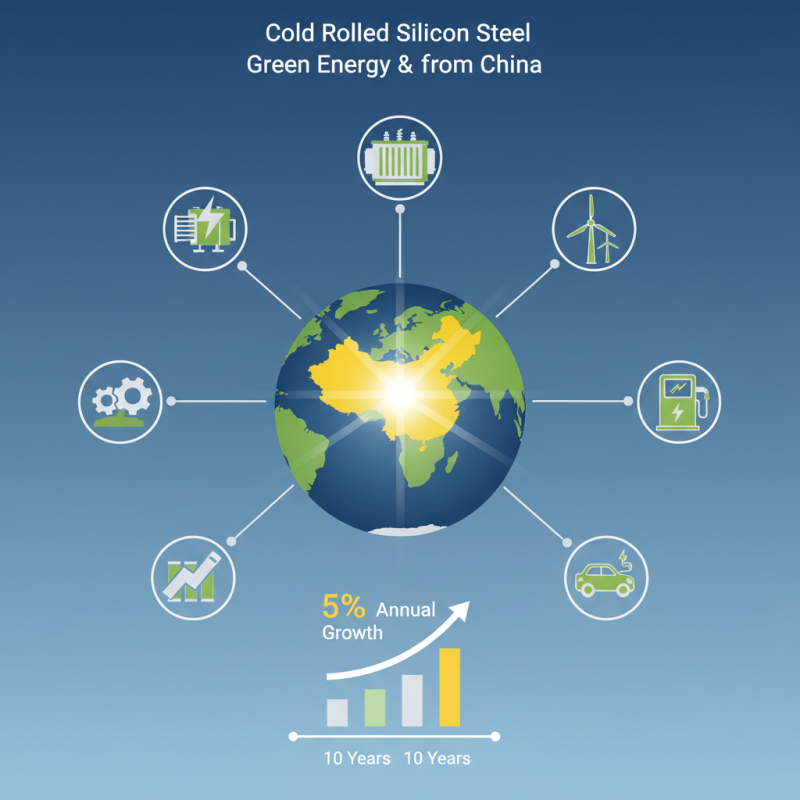
Cold rolled silicon steel is a vital material widely used in electrical applications. Its unique magnetic properties make it ideal for transformers, electric motors, and generators. Cold rolling improves the steel's surface finish and dimensional accuracy, enhancing its efficiency in performance. The manufacturing process also ensures that the steel maintains a compact microstructure, optimizing its magnetic characteristics.
Applications of cold rolled silicon steel extend beyond traditional electrical components. In renewable energy, it plays a crucial role in wind turbine generators. Manufacturers choose this material for its high permeability and low energy loss. These attributes are essential for modern technological advancements. However, the industry faces challenges in sourcing high-quality silicon steel while keeping costs competitive.
Collaboration among suppliers and end-users can address some of these challenges. Knowledge sharing about material specifications and sourcing can lead to better outcomes. Ensuring consistent quality is vital, as variations can impact performance. Emphasizing sustainable practices will also contribute to a more reliable supply chain. Implementing feedback loops among partners promotes continuous improvement and innovation, highlighting the need for adaptability in a changing market.
When selecting a reliable supplier of cold rolled silicon steel, it's crucial to consider their industry experience. A supplier with several years in the market usually has developed a strong reputation. They likely have established quality control processes. This can help ensure the steel meets your specifications.
Evaluating the supplier’s certifications is another important factor. Certifications indicate adherence to international standards. It's essential to confirm that the supplier can produce consistent quality. Look for third-party audits that can validate their claims. Additionally, communication plays a key role. Responsive and knowledgeable suppliers can provide insights during the order process.
Pricing is a significant consideration, but not the only one. A low price might indicate compromised quality. Balance cost against the supplier's reputation. Request samples before placing large orders. This practice helps you gauge the material's quality firsthand. Ultimately, establishing a trustworthy relationship with your supplier is vital for long-term success.
Cold rolled silicon steel is crucial for various manufacturing processes, especially in electrical applications. Manufacturers in China have made significant advancements in producing this specialized steel. They focus on enhancing magnetic properties and reducing energy loss. This improvement is vital for industries such as automotive and renewable energy.
Many manufacturers offer a range of grades to meet different requirements. Selecting a supplier can be challenging. Buyers need to assess quality and production capacity carefully. Some suppliers may lack transparency, making it hard to gauge their reliability. Quality assurance and adherence to standards are key factors in making an informed choice.
Understanding the landscape of cold rolled silicon steel production in China is essential. Not all manufacturers are equally equipped. Some may not fully comply with international standards. Researching and comparing options is vital. Engaging with suppliers that prioritize innovation and sustainability may yield better long-term results.
The global demand for silicon steel is on the rise. The market is fueled by the increasing need for efficient electrical steel in various industries, particularly in renewable energy. According to recent reports, the global silicon steel market is projected to grow significantly, with an estimated CAGR of over 6% through 2025. This surge is driven by advancements in electric vehicle technology and renewable energy sectors.
Manufacturers are focusing on producing higher-grade cold-rolled silicon steel. The material is essential for transformers and motors due to its superior magnetic properties. However, many suppliers struggle to meet the demand. Sourcing high-quality silicon steel can be challenging, and buyers must conduct thorough research before making commitments.
Tips: Always verify the supplier’s certifications. Look for companies with a strong track record in quality control. Consider requesting samples to assess the material firsthand. Understanding local regulations and market dynamics can also guide smarter purchasing decisions.
| Supplier Category | Annual Production (Tons) | Export Volume (Tons) | Main Markets | Market Trend (%) |
|---|---|---|---|---|
| Large-scale Suppliers | 500,000 | 300,000 | North America, Europe, Asia | 5% Growth |
| Medium-sized Suppliers | 200,000 | 120,000 | Asia-Pacific, Latin America | 3% Growth |
| Small-scale Suppliers | 50,000 | 20,000 | Domestic, Southeast Asia | 1% Decline |
| Specialty Suppliers | 100,000 | 60,000 | Europe, North America | 4% Growth |
Cold rolled silicon steel is crucial for various applications, especially in the electrical industry. The quality of these products is determined by various standards and certifications. The common standards include ISO 9001 for quality management and ASTM specifications for material properties. This ensures that manufacturers meet international benchmarks.
Recent industry reports indicate that around 60% of cold rolled silicon steel from China passes stringent quality checks. However, challenges remain. Some suppliers still face difficulties in compliance. This raises concerns about consistency across batches. Certifications like IATF 16949, aimed at quality in the automotive supply chain, are becoming essential for suppliers targeting global markets.
In addition, environmental standards are gaining importance. The Energy Management Standard ISO 50001 is applicable to cold rolled steel production. It mandates energy efficiency measures. Meeting these standards is not just a regulatory requirement; it is also an opportunity for suppliers to enhance their market appeal. But, many companies still struggle with documentation and implementation. This highlights an area for growth in the Chinese cold steel industry.
: Assess their industry experience and reputation. Years in the market often indicate reliability.
Certifications show adherence to international standards. They help ensure consistent quality and build trust.
Look for third-party audits. They validate the supplier's quality control processes and product standards.
No, while pricing is important, a low price can compromise quality. Balance cost with reputation.
Yes, requesting samples helps you assess the material's quality firsthand. It informs your purchasing decision.
Common standards include ISO 9001 and ASTM specifications. These ensure manufacturers meet quality benchmarks.
Meeting environmental standards like ISO 50001 is crucial. It can improve market appeal and efficiency.
Yes, some suppliers still struggle with compliance. This raises concerns about consistency in product batches.
Good communication is vital. Responsive suppliers provide valuable insights during the ordering process.
By improving compliance with environmental and quality standards. This can lead to more business opportunities.
Cold Rolled Silicon Steel is a vital material used in various applications, particularly in the manufacturing of electrical machinery and transformers. This type of steel is characterized by its high magnetic permeability and low energy loss, making it essential for efficient electrical performance. When selecting a reliable supplier of Cold Rolled Silicon Steel, buyers should consider factors such as production capacity, quality assurance processes, and the supplier's reputation in the market.
The demand for Cold Rolled Silicon Steel is on the rise globally, driven by advancements in technology and the need for energy-efficient solutions. Key market trends indicate a growing preference for certified products that meet international quality standards, ensuring reliability and performance. Understanding these trends and the dynamics within the Chinese manufacturing landscape can help global buyers make informed decisions when sourcing Cold Rolled Silicon Steel.
