
SMSTEEL
In an increasingly interconnected world, the significance of Silicon Steel cannot be overstated. Dr. Emily Chen, a leading expert in materials science, states, "Silicon Steel is the backbone of modern manufacturing." This statement underscores the vital role Silicon Steel plays across various industries.
Silicon Steel enhances electrical efficiency in transformers, motors, and generators. Its unique properties reduce energy losses, making it essential for sustainable technology. However, the industry faces challenges such as rising production costs and supply chain disruptions. Addressing these issues is crucial for maintaining a steady supply of this valuable material.
As global industries move towards cleaner energy solutions and advanced technologies, the demand for Silicon Steel will grow. Reflecting on its past and future, we must consider how to overcome current limitations. In doing so, we can continue to support innovation and maintain the integrity of Silicon Steel’s contribution to the global economy.
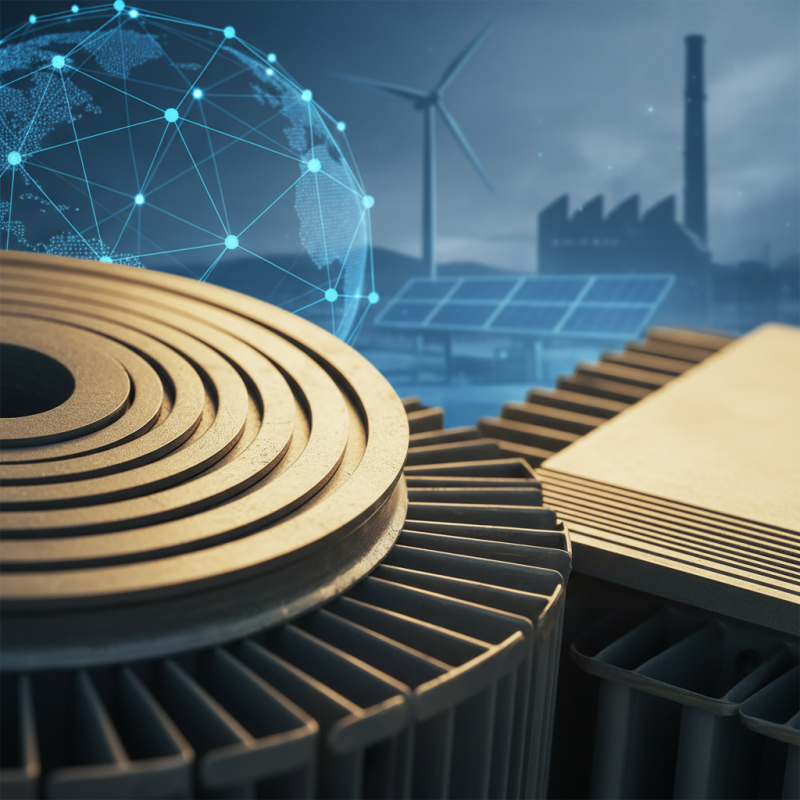
Silicon steel is crucial for various global industries. Its composition primarily includes iron, silicon, and carbon. The addition of silicon improves electrical properties and reduces energy losses in magnetic applications. This makes silicon steel indispensable for transformers and electric motors.
The unique properties arise from specific ratios in its composition. Typically, silicon content ranges from 1% to 4.5%. This allows for high magnetic permeability. However, not all silicon steel is created equal. Overuse of silicon can lead to brittleness. A careful balance is necessary for optimal performance.
Tip: Always consider the application when selecting silicon steel. Different industries may require different grades or compositions. Understanding these nuances can enhance efficiency.
Silicon steel production involves several processes, such as rolling and annealing. Each step influences the final product's properties. Some manufacturers may cut corners, leading to inferior quality. Relying on trusted sources is essential. The consequences of using subpar materials can be significant.
Silicon steel plays a pivotal role in modern industries due to its unique properties. This material is known for its high magnetic permeability and low energy loss. These qualities make it essential for electrical applications, such as transformers and electric motors. Additionally, it can operate efficiently under high temperatures and varying magnetic fields.
Tips: When considering silicon steel for projects, think about the specific application. The grade and thickness of the steel can impact performance significantly.
Another advantage of silicon steel is its ability to reduce weight in applications. Lighter components can lead to more efficient machinery. This is crucial in industries striving for energy efficiency. However, it's essential to evaluate the cost versus the performance benefits. Sometimes, opting for a more conventional material may yield better overall results.
Tips: Be cautious in material selection. Conduct thorough tests to ensure silicon steel meets the design requirements for your application. Sometimes, a small oversight in choice can lead to larger problems in the long run.
The global demand for silicon steel is on the rise, driven by several key industries. According to a recent market report, the silicon steel market is expected to grow at a compound annual growth rate (CAGR) of 5.2% from 2023 to 2028. This growth reflects a significant shift in energy efficiency trends and advanced manufacturing techniques.
Electric vehicle (EV) production is a major contributor to this demand. The automotive sector requires high-quality silicon steel for electric motors, which enhances energy efficiency. In fact, silicon steel can boost the performance of electric motors by up to 20%, resulting in longer driving ranges. Furthermore, the increase in renewable energy sources, like wind and solar, further drives the requirement for silicon steel in transformers and generators. It is projected that the renewable energy sector will account for over 25% of the silicon steel demand by 2025.
However, challenges remain. The supply chain for silicon steel often faces interruptions due to geopolitical tensions and raw material availability. Additionally, the transition to greener alternatives adds complexity to market dynamics. Companies must adapt to these fluctuations, which may impact costs and production timelines. As industries pursue sustainability, the emergence of recycled silicon steel offers a potential solution, yet scaling up these operations requires careful planning and investment.
Silicon steel plays a crucial role in various industrial sectors. Electric motors and transformers rely heavily on this material. Its unique magnetic properties improve efficiency in energy conversion. This leads to reduced energy losses during operation. Essential for renewable energy, silicon steel helps enhance wind turbine and solar panel performance.
In the automotive sector, silicon steel is vital for electric vehicles (EVs). It contributes to the development of more efficient engines. Higher performance means longer driving ranges for consumers. However, the reliance on silicon steel also poses challenges. Fluctuating supply levels can impact production rates across industries.
Lastly, the construction industry benefits from silicon steel as well. It is used in advanced building designs, ensuring better energy management. Yet, sourcing quality silicon steel can be a concern. Manufacturers must focus on sustainable practices. Ensuring a steady supply becomes increasingly essential amid global demand.
Silicon steel plays a crucial role in renewable energy technologies. It is used in the manufacturing of electric motors and transformers. These components are vital for wind turbines and solar power systems. The efficiency of energy conversion directly impacts the performance of renewable technologies. Silicon steel allows for lower energy losses, which is essential as we strive for cleaner energy solutions.
This material's significance extends beyond just efficiency. The structural properties of silicon steel enhance the durability of renewable energy systems. However, sourcing and production processes sometimes lead to environmental concerns. This contradiction raises questions about the sustainability of our technology. Manufacturers must balance performance with ecological responsibility to truly advance renewable energy.
Continuous innovation in silicon steel production is needed. Advances can lead to even lower energy losses and improved performance. Yet, the challenge remains in addressing environmental impacts. Stakeholders must work towards solutions that prioritize both efficiency and sustainability. Only then can silicon steel truly meet its potential in revolutionizing global industries.
: Silicon steel primarily consists of iron, silicon, and carbon in varying ratios.
The addition of silicon improves electrical properties and reduces energy losses in magnetic applications.
Overuse of silicon can lead to brittleness in the steel. Balance is crucial for optimal performance.
Silicon steel has high magnetic permeability, enhancing efficiency in energy conversion and reducing energy losses.
Always consider the specific application and required grade. Thickness can significantly impact performance.
Yes, lighter components made from silicon steel can lead to more efficient machinery and energy savings.
Electric motors, transformers, automotive, and construction sectors all depend on silicon steel for efficiency.
Yes, fluctuations in supply can impact production rates, making sustainable sourcing essential.
A small oversight can lead to significant performance issues in the long run.
Absolutely. Relying on inferior materials can lead to severe consequences for efficiency and performance.
Silicon Steel is a critical material that underpins various global industries, primarily due to its unique composition and properties. This alloy, known for its magnetic and electrical characteristics, plays a vital role in enhancing the efficiency of electrical equipment, making it indispensable in the production of transformers and motors. The growing demand for Silicon Steel is driven by market trends pointing towards increased industrialization and the push for energy-efficient solutions, particularly in renewable energy technologies such as wind turbines and solar power systems.
As various industrial sectors—ranging from automotive to energy to manufacturing—rely heavily on Silicon Steel, its significance is projected to rise. With a focus on innovation and sustainability, the role of Silicon Steel is pivotal in advancing technologies that contribute to a greener future. Its adaptability and performance make it a cornerstone in both traditional and modern applications, ensuring its place as a key material in today’s industrial landscape.
