Low Carbon Electrical Steel is a specialized material essential for modern energy applications. It has gained significance in various industries, particularly in transformers and electric motors. According to a report by the International Energy Agency, electrical steel accounts for over 60% of the total weight in electric motors. This makes its efficiency and performance critical for reducing energy losses.
The importance of Low Carbon Electrical Steel stems from its unique magnetic properties, which enhance efficiency. A study from the Electric Power Research Institute reveals that using this steel can reduce energy losses by up to 20%. However, the production and recycling of Low Carbon Electrical Steel pose challenges. Manufacturers must find a balance between performance and sustainability.
Additionally, while Low Carbon Electrical Steel offers benefits, its high production cost can hinder widespread adoption. As industries strive for greener solutions, addressing these challenges requires innovation and collaboration. The market for Low Carbon Electrical Steel is expected to expand, driven by the growing demand for energy-efficient technologies. This reflects a need for continued research and development in this vital material.
What is Low Carbon Electrical Steel?
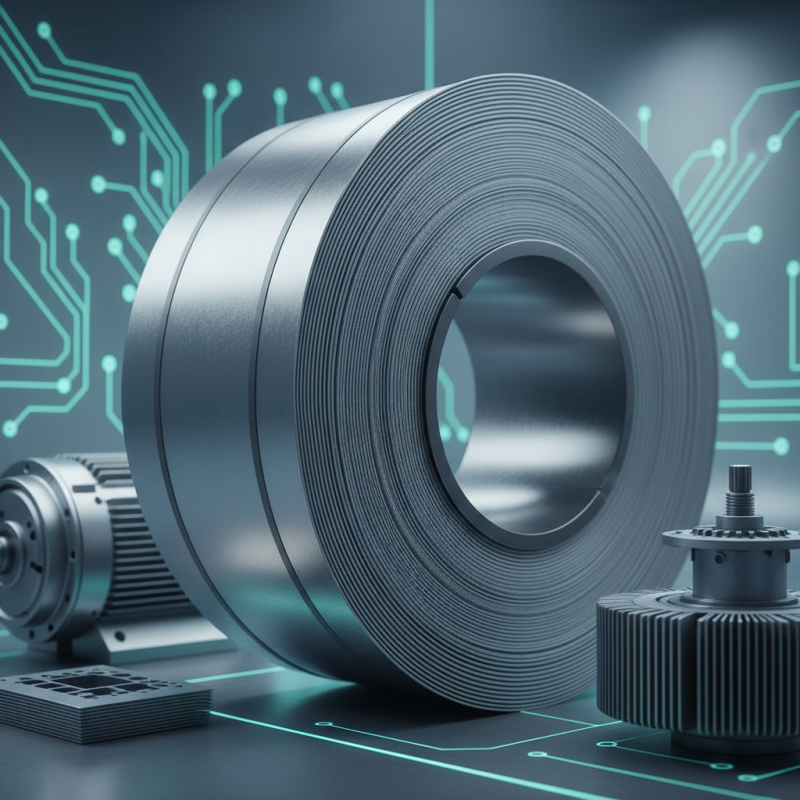
Low Carbon Electrical Steel is a specialized alloy used in the manufacturing of electrical components. Its chemical composition includes a reduced amount of carbon, which enhances its magnetic properties. This attribute makes it essential for transformers and electric motors. By minimizing energy losses, it significantly improves overall efficiency.
The production process of Low Carbon Electrical Steel involves careful control of temperature and composition. This process can be complex and requires advanced technology. While the benefits are clear, there are still challenges to overcome. For instance, achieving the right balance in magnetic performance and production costs is not always easy.
Additionally, the demand for Low Carbon Electrical Steel is rising. Industries are increasingly focused on sustainability and energy efficiency. However, supply chain issues can impact availability. It’s essential to consider these factors when exploring Low Carbon Electrical Steel's role in future innovations.
Key Properties of Low Carbon Electrical Steel
Low carbon electrical steel is a critical material in the manufacturing of electrical components. Its unique properties allow it to efficiently conduct magnetic fields. This quality makes it ideal for transformers, electric motors, and generators. Lower carbon content reduces energy losses during operation. This trait is essential for improving energy efficiency.
One key property of low carbon electrical steel is its high permeability. This means it can easily conduct magnetic flux. As a result, devices using this material operate more effectively. Another important attribute is its lower hysteresis loss. This leads to reduced heat generation in electrical machines. Consequently, equipment lifespan can be extended thanks to this reduced heat stress.
However, the production of low carbon electrical steel is complex. It requires controlled processes to ensure the desired carbon levels are achieved. Sometimes, manufacturers face challenges maintaining quality. Variability in material properties can lead to inconsistent performance. This indicates the need for continuous improvement and refinement in production methods.
What is Low Carbon Electrical Steel and Why is it Important? - Key Properties of Low Carbon Electrical Steel
| Property |
Description |
Importance |
| Magnetic Permeability |
Ability of the steel to conduct magnetic fields |
Essential for efficient motor and transformer performance |
| Low Loss Characteristics |
Minimization of energy loss during magnetic cycling |
Contributes to energy efficiency and heat management |
| Grain Orientation |
Alignment of the crystal structure in a specific direction |
Enhances magnetic performance in one direction |
| Corrosion Resistance |
Resistance to environmental degradation |
Increases longevity and reliability of electrical devices |
| Electrical Conductivity |
Ability to conduct electrical current |
Vital for minimizing resistive losses in applications |
Applications of Low Carbon Electrical Steel in Industry
Low carbon electrical steel has found significant applications across various industries, particularly in energy and transportation. This material is crucial in enhancing the efficiency of electrical devices. In the automotive sector, for instance, low carbon electrical steel is used in electric motors and transformers. Reports indicate that electric vehicles (EVs) can achieve a 5-10% efficiency improvement when using high-quality electrical steel. This translates to extended driving ranges and reduced energy consumption.
In renewable energy systems, low carbon electrical steel plays a vital role. Wind turbines and solar inverters benefit from its magnetic properties, enhancing overall performance. According to industry data, the global electrical steel market is projected to reach $27 billion by 2026. This growth illustrates the increasing reliance on efficient materials to meet rising energy demands. However, challenges remain, such as the need for refining manufacturing processes to reduce costs.
The use of low carbon electrical steel also extends to household appliances. In refrigerators and air conditioners, it contributes to energy efficiency and lower operational costs. Despite these benefits, the production involves complex processes that can lead to variability in quality. Continuous improvement in manufacturing techniques is essential for maximizing the potential of low carbon electrical steel.
Environmental Benefits of Low Carbon Electrical Steel
Low carbon electrical steel is transforming the manufacturing landscape. This material is crucial for the development of energy-efficient electrical machinery. By reducing carbon content, we achieve lower emissions during production and use. The reduced carbon footprint translates directly into environmental benefits.
The production of low carbon electrical steel significantly minimizes greenhouse gas emissions. This helps combat climate change. Additionally, these materials enhance energy efficiency in motors and transformers. They allow for higher performance with less energy consumption. Efficient designs often mean less waste and lower operational costs.
However, challenges remain in scaling production. Not all manufacturers have adopted these materials yet. This gap creates potential environmental risks. Continuous innovation is needed to improve production techniques. This will help make low carbon electrical steel more accessible and cost-effective for industries worldwide. The journey towards widespread adoption demands reflection and ongoing commitment to sustainability.
Future Trends and Innovations in Low Carbon Electrical Steel Production
Low carbon electrical steel is gaining traction due to its pivotal role in energy-efficient technologies. Recent industry reports indicate that the global market for low carbon electrical steel is projected to reach USD 20 billion by 2025, driven by increasing demand in renewable energy sectors. Innovations such as enhanced manufacturing processes are essential to meet the rising demands while minimizing carbon emissions.
Developments in nanostructured materials are promising. These materials can significantly improve magnetic properties. This enhancement results in higher efficiency for electric motors and transformers. Researchers are exploring ways to reduce costs without compromising quality. Understanding the balance between innovation and production efficiency is critical for this industry’s growth.
Tips: Focusing on sustainable production methods will benefit not just manufacturers but also the environment. Adopting advanced techniques can lead to substantial reductions in energy consumption. Companies must remain flexible to adapt to evolving technologies and market needs. Collaboration among industry leaders can spur innovative solutions, keeping pace with global sustainability goals.
Trends in Low Carbon Electrical Steel Production
As illustrated in the chart above, the production of low carbon electrical steel has seen a steady increase from 2018 to 2023. This growth highlights the rising demand for sustainable materials in the electrical steel industry, driven by advancements in technology and a shift towards greener manufacturing processes.
Conclusion
Low Carbon Electrical Steel is a specialized material characterized by its low carbon content, which enhances its magnetic properties and reduces energy losses in electrical applications. The key properties of this steel type include high electrical conductivity, superior magnetic permeability, and improved mechanical strength, making it essential for various industrial applications such as transformers, electric motors, and generators.
The use of Low Carbon Electrical Steel greatly contributes to environmental sustainability by increasing energy efficiency and reducing carbon emissions during operation. As the demand for greener technologies rises, the future of Low Carbon Electrical Steel production is poised for innovations that include advanced processing techniques and recycling methods, further enhancing its benefits in industrial applications while supporting a transition to a low-carbon economy.
 SMSTEEL
