
SMSTEEL
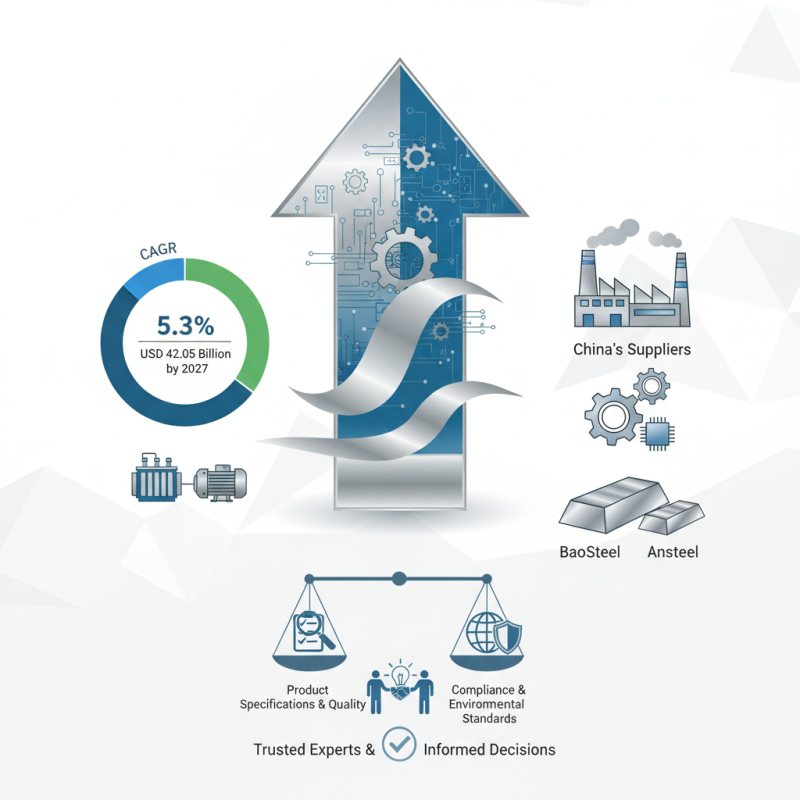
In the global marketplace, the demand for Electrical Steel continues to rise. According to the latest report from ResearchAndMarkets, the global electrical steel market is projected to reach USD 42.05 billion by 2027, growing at a CAGR of 5.3%. This growth underscores the vital role that Electrical Steel plays in various applications, including transformers and electric motors.
China has emerged as a key supplier in this sector, offering a vast range of products that meet international standards. Companies like BaoSteel and Ansteel are at the forefront, employing advanced technologies to enhance the quality of their electrical steel products. However, potential buyers often face challenges. The variance in product specifications and quality among suppliers can be overwhelming.
It’s essential for buyers to navigate this landscape intelligently. Understanding the unique properties of Electrical Steel, such as its magnetic performance and mechanical strength, can greatly impact the efficiency of the final product. Additionally, buyers should remain cautious and conduct thorough research. Despite the impressive capabilities of Chinese suppliers, some may fall short in compliance or environmental standards. Engaging with trusted industry experts can lead to better procurement decisions and sustainable partnerships.
Electrical steel, also known as silicon steel, is vital for modern industries. It is primarily used in the manufacturing of motors, transformers, and generators. According to industry reports, the global electrical steel market was valued at approximately $25 billion in 2022. This figure highlights the increasing demand for efficient energy solutions.
The properties of electrical steel make it unique. It has high magnetic permeability, which allows for improved efficiency in electromagnetic applications. Recent studies indicated that using advanced grades of electrical steel can reduce energy losses by up to 15%. This efficiency is crucial for companies aiming to meet sustainability targets and reduce operational costs. Yet, not all suppliers can guarantee the same quality levels.
In addition, the production of electrical steel involves complex processes. Techniques such as grain-oriented and non-grain-oriented steel production require precision. A lack of uniformity in supply can lead to performance issues in critical applications. Data shows that as demand grows, challenges in sourcing high-quality materials remain. It's important for global buyers to understand these dynamics when selecting suppliers.
China has become a leading player in the electrical steel market. This sector is critical for various industries, especially in manufacturing transformers and electric motors. According to recent market reports, China's electrical steel production reached approximately 30 million tons in 2022, accounting for about 30% of the global output. This impressive figure highlights the country's extensive capacity and expertise.
In the landscape of electrical steel suppliers, several companies stand out. These suppliers are noted for their advancement in technology and production processes. Specialized grades of electrical steel, such as non-oriented and oriented steel, are increasingly in demand. Industry data indicates that the emphasis on energy efficiency is pushing global buyers to seek high-quality materials with better magnetic properties.
The competition is intense, and not all suppliers consistently meet these evolving standards. However, challenges remain. Quality control can vary, with some suppliers struggling to achieve uniformity in their products. Additionally, fluctuating raw material costs and environmental regulations present ongoing hurdles. Buyers must be vigilant in assessing their supply sources, ensuring they choose partners capable of delivering reliability and performance. This dynamic market demands attention to detail and a commitment to quality.
When selecting top electrical steel suppliers, understanding specific criteria is vital. Quality of the product is paramount. High-grade electrical steel enhances efficiency in motors and transformers. Look for suppliers that conduct rigorous testing. Certifications from international standards can add to their credibility.
Pricing is another crucial factor. Suppliers must offer competitive rates without compromising quality. Transparent pricing structures help build trust. Moreover, consider the supplier's production capacity. A supplier with advanced technologies tends to meet global demand consistently.
Lastly, evaluate their customer service and support. Responsive communication reflects a supplier's reliability. Seek testimonials or case studies to gauge their performance. Reflecting on these aspects can help in making a well-informed decision.
The global market for electrical steel is evolving rapidly. Chinese manufacturers are at the forefront, yet they face significant challenges. In 2023, the global demand for electrical steel is projected to reach 25 million tons, influenced by the growing electric vehicle sector and renewable energy initiatives.
Increasing environmental regulations in Europe and North America are affecting production strategies. These regulations push Chinese suppliers to innovate, improving energy efficiency and sustainability in their processes. For instance, a recent industry report indicated that companies focusing on low CO2 emissions are gaining a competitive edge. Notably, around 60% of surveyed firms reported plans for significant investments in cleaner production technologies.
However, not all suppliers are equipped to meet these demands. Some smaller enterprises struggle with the high costs of transitioning to greener methods. This inadequacy highlights the need for industry players to adapt swiftly. Organizations must enhance their R&D efforts or risk falling behind in a market that increasingly values sustainability. In conclusion, while opportunities abound, the ability to innovate is crucial for success in the evolving landscape of electrical steel supply.
China’s electrical steel industry is on the verge of significant growth. As a leader in global production, China's export potential looks promising. Reports indicate that the global demand for electrical steel is projected to reach approximately 28 million tons by 2026. This growth is driven by advancements in renewable energy and electric vehicles.
Yet, challenges linger. The industry faces rising costs and fierce competition. Additionally, the environmental regulations are becoming stricter. These factors may impact production efficiency and pricing strategies. Manufacturers must find a balance between meeting international standards and maintaining profitability.
Though the outlook is bright, companies need to adapt. Investing in research will be vital. Innovations in manufacturing techniques could enhance overall product quality. Furthermore, addressing environmental concerns could improve market positioning. Keeping up with these changes will determine success in a competitive landscape.
: The demand is expected to reach 25 million tons due to electric vehicle growth.
Regulations push suppliers to innovate and improve energy efficiency in production processes.
About 60% of surveyed firms are planning significant investments in cleaner production technologies.
Smaller enterprises struggle with high transition costs and may fall behind larger competitors.
China’s export potential is promising, with demand expected to reach 28 million tons by 2026.
Growth is driven by advancements in renewable energy and electric vehicles.
They must balance meeting international standards with maintaining production efficiency.
Investing in research is vital for innovation and improving product quality.
Addressing environmental concerns can enhance market positioning and competitiveness.
Companies risk falling behind in a market that increasingly prioritizes sustainability.
Electrical steel is a specialized material crucial for the manufacturing of electrical devices and components, playing a vital role in various industries, including automotive, energy, and electronics. This article explores the leading electrical steel suppliers in China, identifying key players in the market and discussing the essential criteria that global buyers should consider when selecting suppliers.
Additionally, it examines the current global market trends influencing the electrical steel sector in China, including demand fluctuations and technological advancements. Finally, the article looks forward to the future prospects of China's electrical steel industry, highlighting potential export opportunities and growth areas that may arise in the coming years, solidifying China’s position as a significant player in the global electrical steel landscape.
